Stroke Recovery
How Physiotherapy Can Help You Regain Independence After a Stroke
Stroke Recovery
This article explains how stroke recovery works, what rehabilitation may involve, and how specialist support can help you or a loved one make meaningful progress.
A stroke can be life-changing for both the person affected and their family. Everyday activities such as walking, dressing, cooking or returning to work may suddenly feel difficult or overwhelming.
The good news is that recovery after stroke is possible, and the right rehabilitation can make a significant difference. With specialist neurological physiotherapy, many people improve their strength, movement, balance, and independence, long after leaving hospital.
Understanding Stroke Recovery
Stroke recovery is different for every individual. Some people experience mild symptoms while others may face significant challenges with movement, coordination, speech, or fatigue.
Recovery often happens in stages, and improvement can continue for months or even years after a stroke with the right rehabilitation programme.
Common Challenges After a Stroke
Many stroke survivors experience:
- Weakness on one side of the body
- Difficulty walking or balancing
- Reduced movement in the arm or hand
- Shoulder pain or stiffness
- Fatigue and reduced stamina
- Difficulty with everyday activities such as dressing or cooking
These challenges can be frustrating, but targeted rehabilitation can help retrain the brain and body.
Why Early and Ongoing Rehabilitation Matters
The brain has an incredible ability to adapt after injury, known as neuroplasticity. This means that with repeated practice and the right exercises, the brain can form new connections to help regain movement and function.
Consistent therapy helps maximise this potential.
Improving Walking and Balance
Regaining confidence when walking is one of the most common goals after stroke.
Physiotherapy may include:
- Balance training
- Strengthening exercises
- Walking practice and gait retraining
- Strategies to reduce the risk of falls
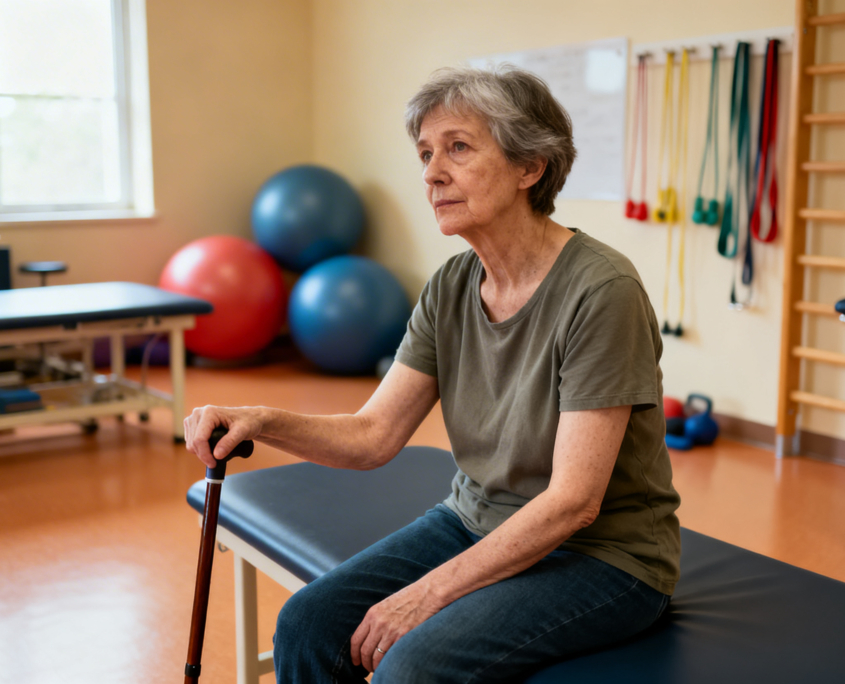
With the right support, many people progress from using mobility aids to walking more independently.
Restoring Arm and Hand Function
Many stroke survivors struggle with weakness or reduced control in the arm and hand.
Therapy may involve:
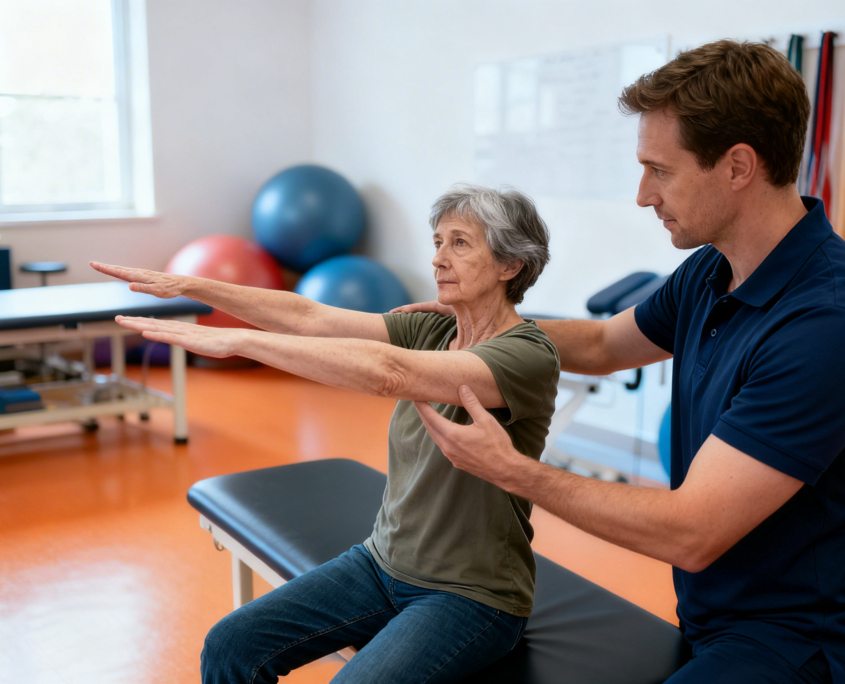
- Targeted strengthening exercises
- Functional reaching and grasping tasks
- Improving shoulder stability
- Exercises to improve hand coordination
These approaches help people regain the ability to perform everyday tasks such as eating, dressing, or using a phone.
Reducing Pain and Stiffness
After a stroke, muscles can become tight or painful.
Physiotherapy techniques may include:
- Stretching and mobility exercises
- Soft tissue work
- Postural correction
- Advice on positioning and daily activities
These treatments can improve comfort and make movement easier.
Frequently Asked Questions About Stroke Recovery
How long does stroke recovery take?
Recovery varies for each person. Some improvements happen in the first few months, but many people continue to make progress for years with ongoing rehabilitation and exercise.
Can physiotherapy help months after a stroke?
Yes. The brain can continue to adapt and improve long after the initial stroke. Many people benefit from physiotherapy even months or years later.
Is it possible to walk normally again after a stroke?
Many stroke survivors significantly improve their walking ability through targeted physiotherapy, strengthening exercises and balance training.
What is neurological physiotherapy?
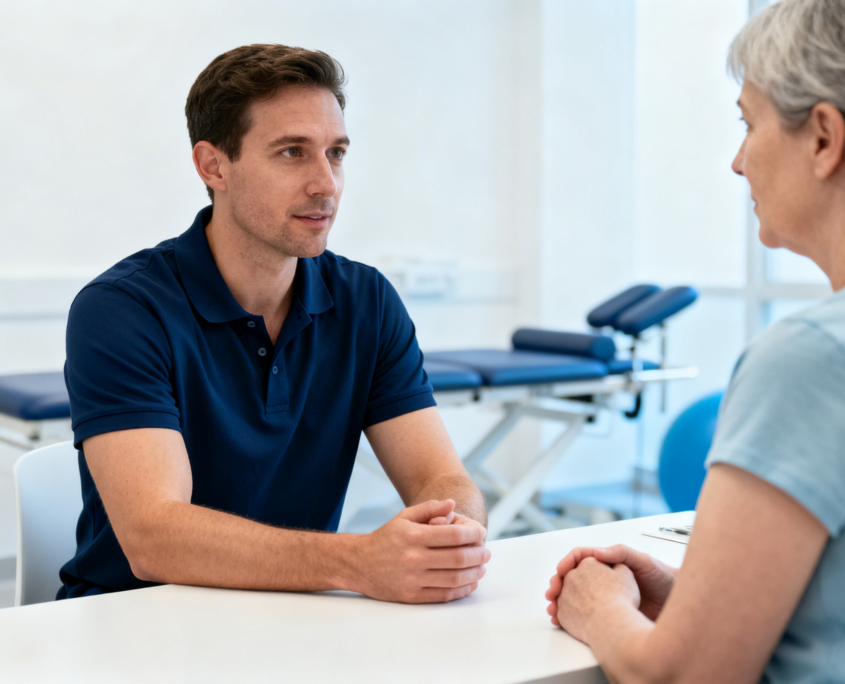
Neurological physiotherapy is specialist rehabilitation for people with conditions affecting the brain and nervous system, such as stroke, Parkinson’s disease or multiple sclerosis.
When should I start stroke rehabilitation?
Rehabilitation often begins in hospital, but continuing therapy after discharge can play an important role in maximising recovery.
How Neurological Physiotherapy Supports Stroke Recovery
What a Stroke Rehabilitation Programme may Include
A comprehensive rehabilitation plan often combines several approaches to support recovery.
Individual Physiotherapy Sessions
One-to-one therapy allows treatment to focus entirely on your goals, such as walking, returning to work or regaining independence at home.
Exercise Rehabilitation
Structured exercise helps rebuild:
- strength
- endurance
- coordination
- confidence in movement
Balance and Mobility Classes
Group rehabilitation classes can provide additional practice in a supportive environment while improving balance and mobility.
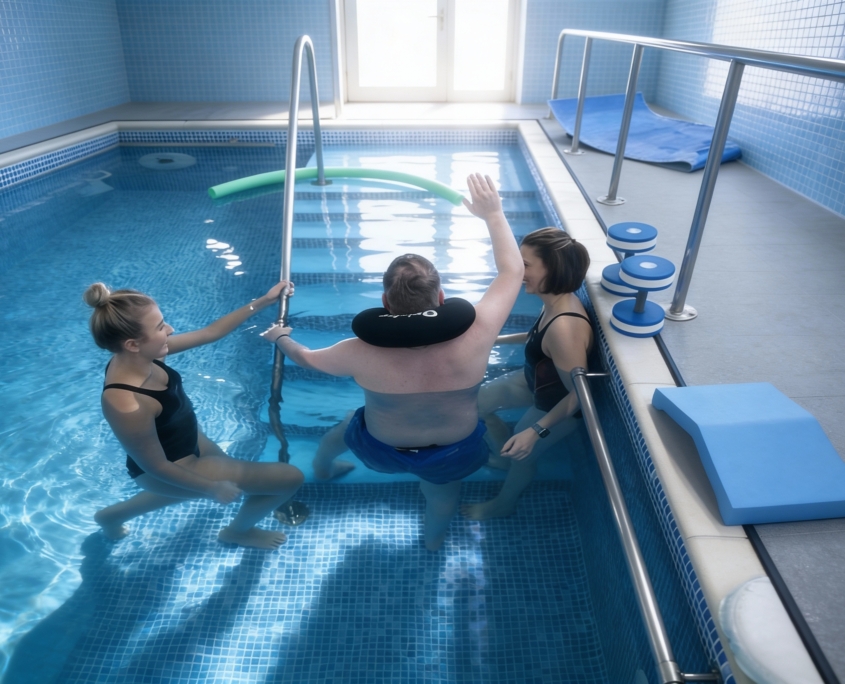
Hydrotherapy
Hydrotherapy uses warm water to support movement, allowing people to exercise with less strain on their joints while improving strength and mobility.
Setting Realistic Goals for Stroke Recovery
Goal setting is an important part of rehabilitation. These goals are tailored to what matters most to the individual.
Examples of Common Stroke Recovery Goals
Stroke survivors often work towards goals such as:
- Walking independently indoors and outdoors
- Using both hands to cook or prepare meals
- Returning to driving
- Showering and dressing independently
- Returning to hobbies or work
Even small improvements can make a big difference to everyday life.
How Families Can Support Stroke Recovery
Recovery is often easier with encouragement and support from family members.
Families can help by:
- encouraging regular exercise
- supporting therapy routines at home
- celebrating progress and milestones
- helping maintain motivation during rehabilitation
Stroke recovery can be a long process, and having support can make a huge difference.
When to Seek Specialist Stroke Rehabilitation
Many people receive rehabilitation through the NHS after a stroke, but additional therapy can often help accelerate recovery.
Specialist neurological physiotherapy can provide:
- more intensive rehabilitation
- personalised treatment programmes
- access to specialist equipment and facilities
- ongoing support after NHS therapy ends
Many stroke survivors continue to improve months or years after their stroke with the right guidance.
How Neurological Physiotherapy Can Help
At Neurological Physiotherapy, our team specialises in helping people recover from stroke and other neurological conditions.
Our rehabilitation programmes are designed to help you:
- improve walking and balance
- strengthen your arms and legs
- regain independence in everyday activities
- build confidence and return to the activities you enjoy
Every programme is tailored to your individual goals and stage of recovery.
If you or a loved one has experienced a stroke and would like support with rehabilitation, our team is here to help.