


Diagnosed with a Neurological Condition:
The Potential Impact on Mental Health
The Emotional Response following Diagnosis
Being diagnosed with a neurological condition (such as Multiple Sclerosis, Parkinson’s disease or a stroke) can have a profound impact on someone’s mental health. The emotional response can sometimes go beyond the physical symptoms themselves.
Common Emotional Reactions After Diagnosis
Shock and Disbelief
Even if neurological symptoms have been present for a while, receiving a formal diagnosis can feel overwhelming. It can sometimes lead to feelings of denial, numbness or emotional shutdown and difficulty processing information given about the diagnosis.
Anxiety
Uncertainty about what the future will hold is common. There may be fear about progression of the condition or not recovering following a stroke, worry about maintaining independence, concerns about work, finances, or relationships, and hypervigilance may develop about symptoms.
Depression
Rates of depression are significantly higher in people with neurological conditions. This can stem from factors including the loss of previous abilities, changes in identity, social withdrawal and brain-based biological changes affecting mood.
In some conditions, depression is partly neurological (due to changes in brain chemistry), not just psychological.
Grief and Loss
Many people grieve following a diagnosis, for their previous sense of self, future hopes and plans that may no longer be realised, the loss of physical independence and their ability to be spontaneous.
This is sometimes called “ambiguous loss” — grieving something that isn’t completely gone but has changed.
Identity Disruption
You may start to view yourself differently and question “Am I still me?” There can be a feeling of being defined by the diagnosis and struggling between accepting the condition and resisting it.
For some, integrating the diagnosis into their identity takes time and support.
When to Seek Extra Support?
Consider seeking professional support if you are struggling with:
- Persistent low mood
- Panic attacks
- Thoughts of hopelessness
- Major sleep changes
- Loss of interest in everything
Treatments that may Help
- Talking therapies such as Counselling, Cognitive Behavioural Therapy (CBT), Acceptance and Commitment Therapy (ACT) and Compassion Focused Therapy (CFT).
- Condition-focused support groups- UK charities can be a great source of information about local groups.
- A review with your GP to discuss medication.

Cognitive and Emotional Changes from the Condition Itself
Some neurological conditions directly affect:
- Mood regulation
- Emotional processing
- Impulse control
- Memory and concentration
This means mental health difficulties may be a result of neurological changes as well as emotional reactions.
Social Impact following a Diagnosis of a Neurological Condition
Being diagnosed with a neurological condition can have a significant impact on someone socially. They may become more isolated due to invisible symptoms, feel misunderstood by people around them, notice a strain developing in some of their relationships or that their role within the family has changed.
Support systems become especially important here.
Positive Psychological Growth (Yes, It Happens)
Not everyone experiences only distress. Over time, some people report that following a diagnosis of a neurological condition they become more resilient, are able to prioritise what matters most to them, experience deeper relationships and greater self-awareness.
This doesn’t minimise the challenges someone may face but growth can coexist.
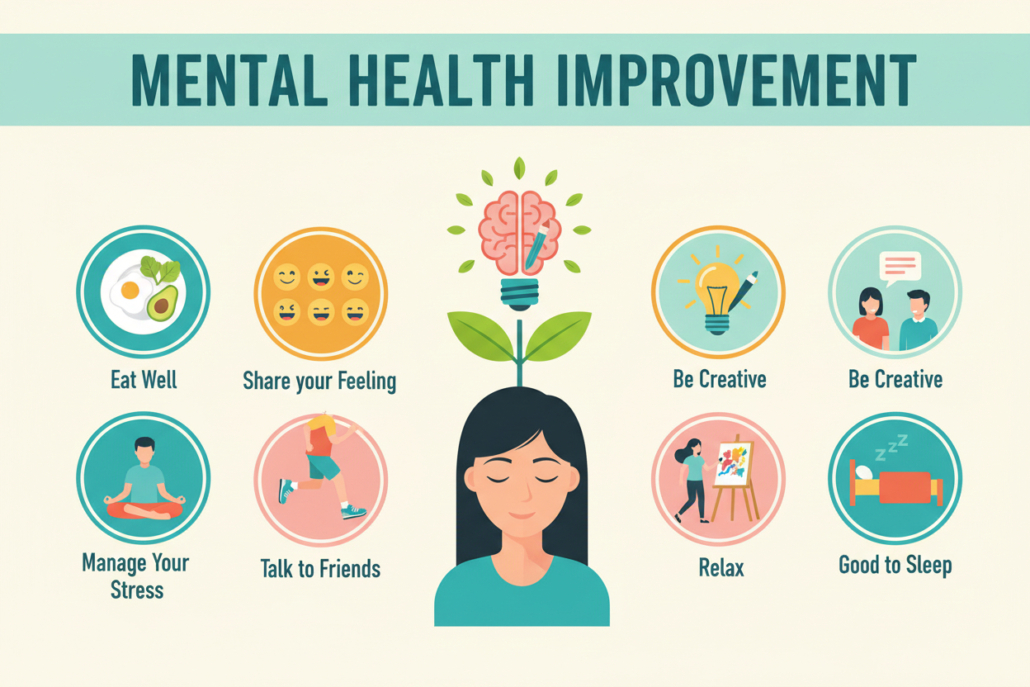
The Benefits of Self-Care and Lifestyle Changes
Self-care and lifestyle changes are crucial in managing changes to the nervous system and mental health following the diagnosis of a neurological condition.
- Regular Exercise: Physical activity of any type improves mood, reduces stress, and enhances overall well-being. It can also help with managing symptoms. A physiotherapist will be able to support you with trying out suitable exercise and at Neurological Physiotherapy we run exercise classes catering to a host of neurological conditions.
- Healthy Diet: A healthy diet should include low processed foods, wholegrains, fruits, vegetables, and omega-3 fatty acids. They support brain health and may reduce inflammation.
- Stress Management: Mindfulness meditation, deep breathing exercises, and yoga can lower anxiety and stress levels. We offer these classes at the clinic.
- Adequate Sleep: This is essential for cognitive function and emotional regulation. Good sleep hygiene and a consistent sleep schedule can improve symptoms.
- Social Support: Maintaining relationships and participating in social activities is vital.
- Limiting Alcohol and Substance Use: Reducing use is important as alcohol and illicit drugs can exacerbate symptoms and interact with medications.

